

A practical guide to planning a green burial in western North Carolina. What options exist, how Into Our Kare supports natural burial families, and what to ask when you are ready to plan.

Into Our Kare has cargo shipper accounts with major airlines and experience shipping cremated remains to Mexico, Ecuador, Guatemala, the Dominican Republic, and beyond. Here is how the process works.
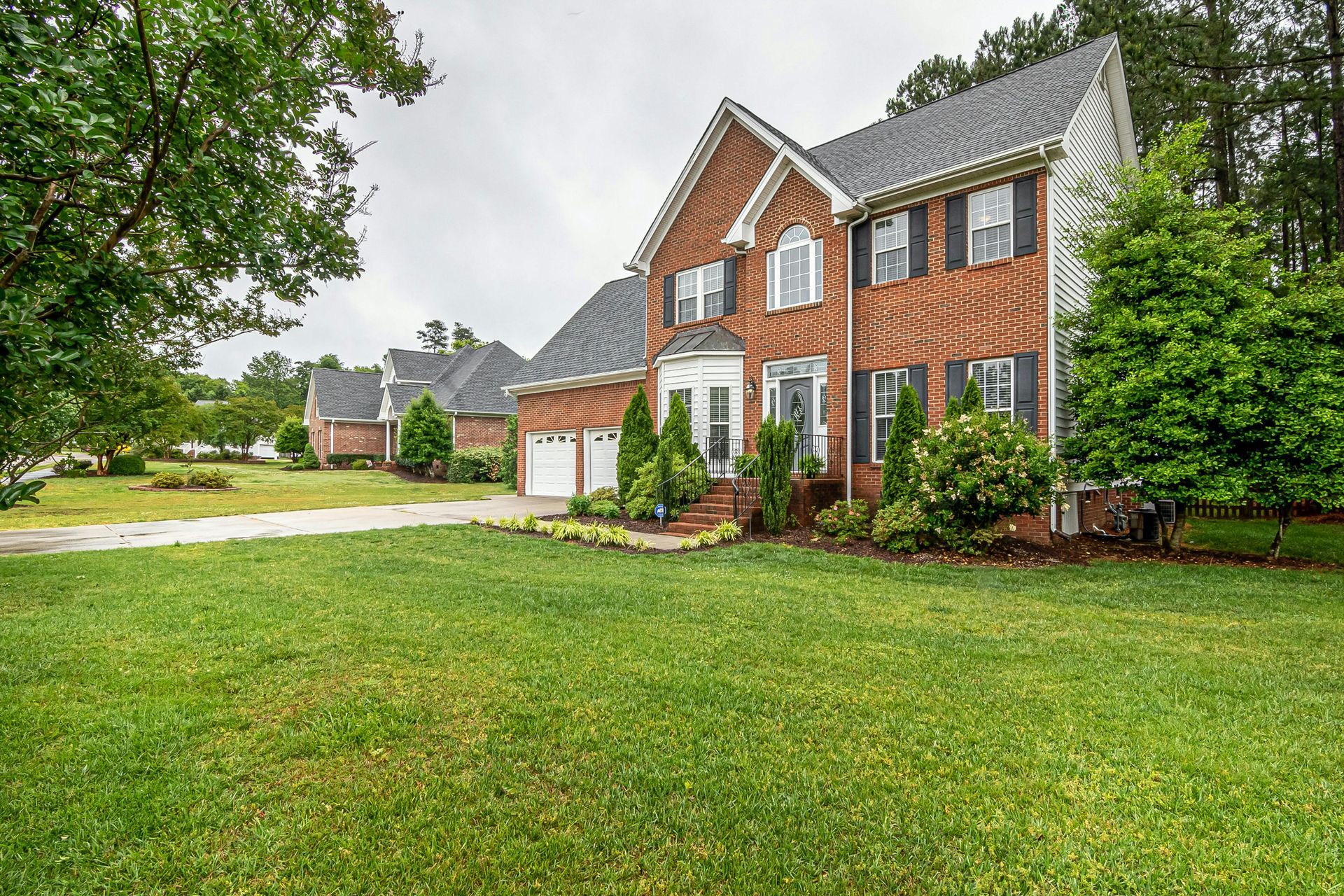
Into Our Kare brings professional funeral and cremation services to families in Cherryville, NC. Here is how at-home services work and why Cherryville families are choosing them.
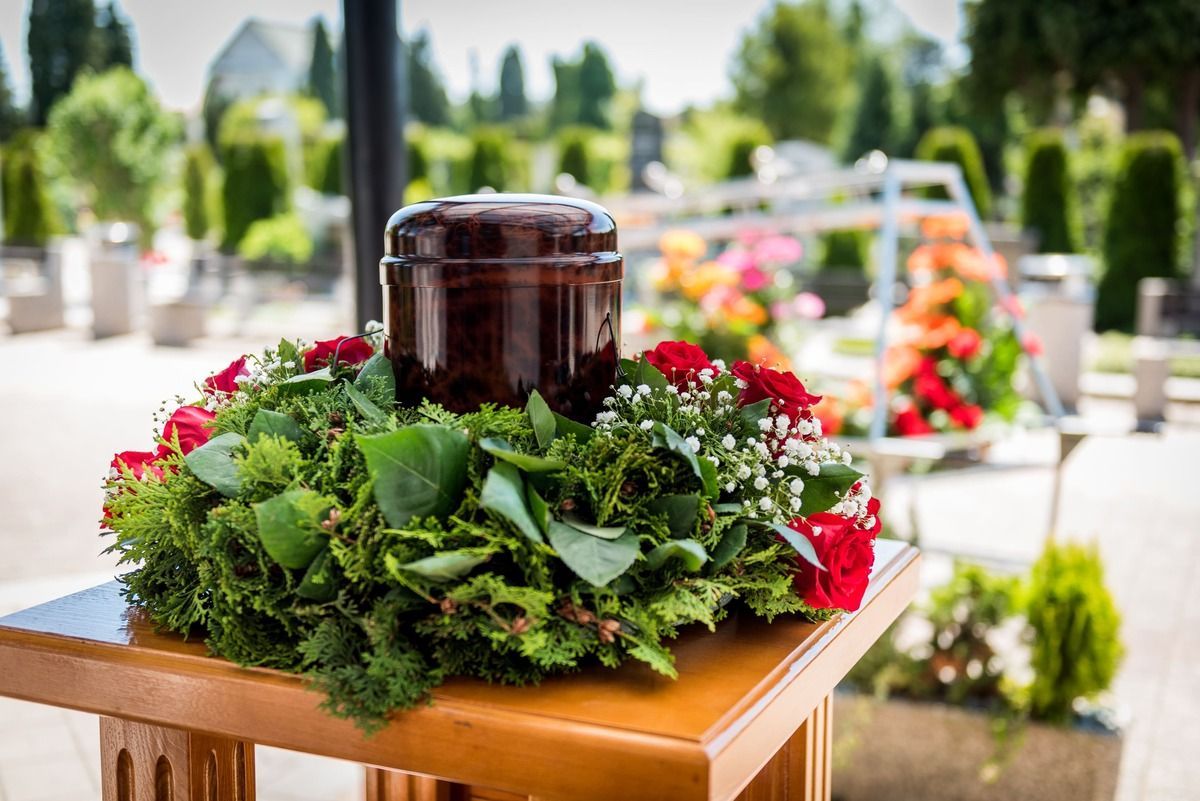
A practical guide for Gaston County families navigating cremation for the first time. What the process involves, what questions to ask, and how Into Our Kare serves families across the county.
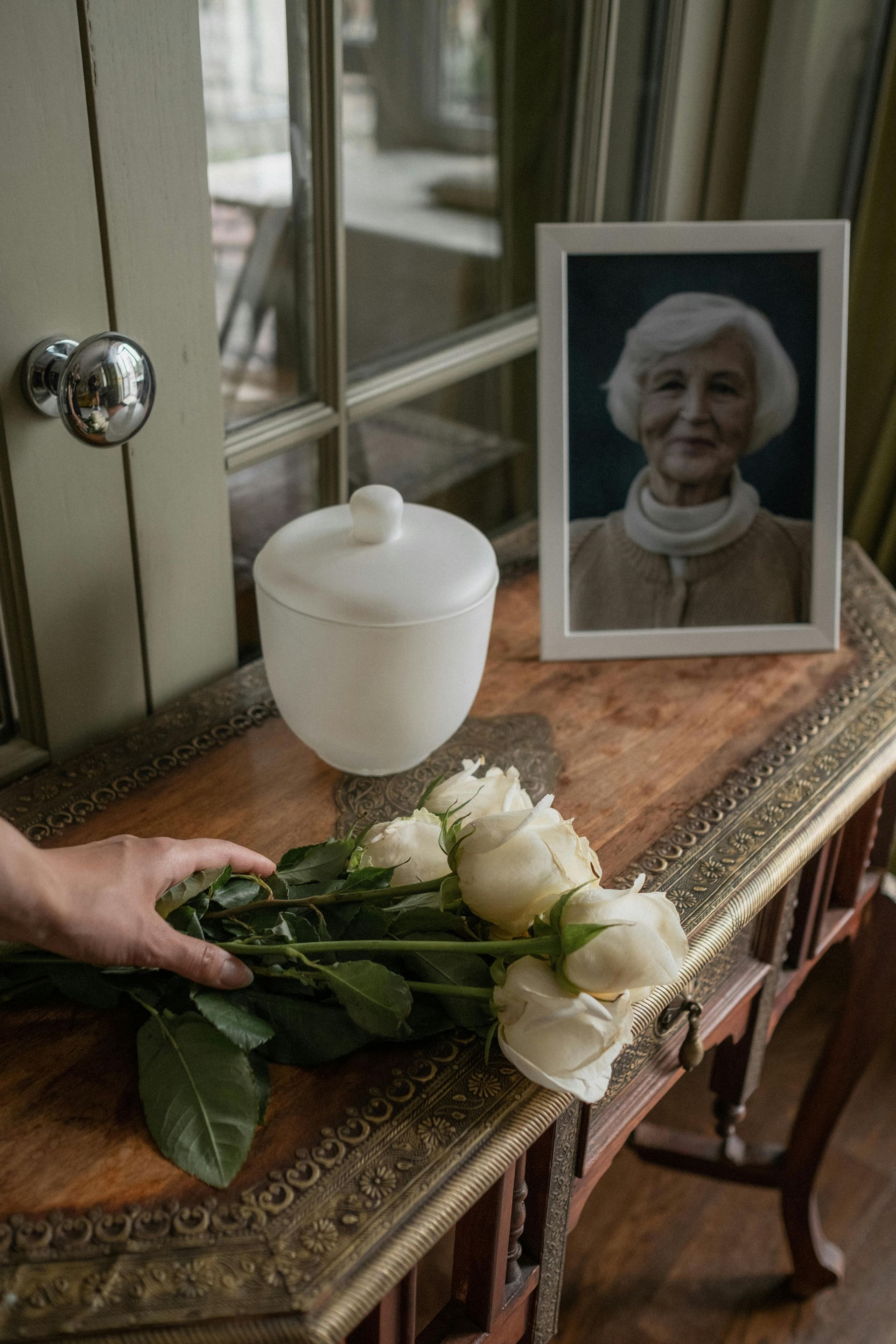
The number of North Carolina families choosing cremation continues to grow. Here is why, and why more of them are pairing it with a personalized memorial service rather than going direct.
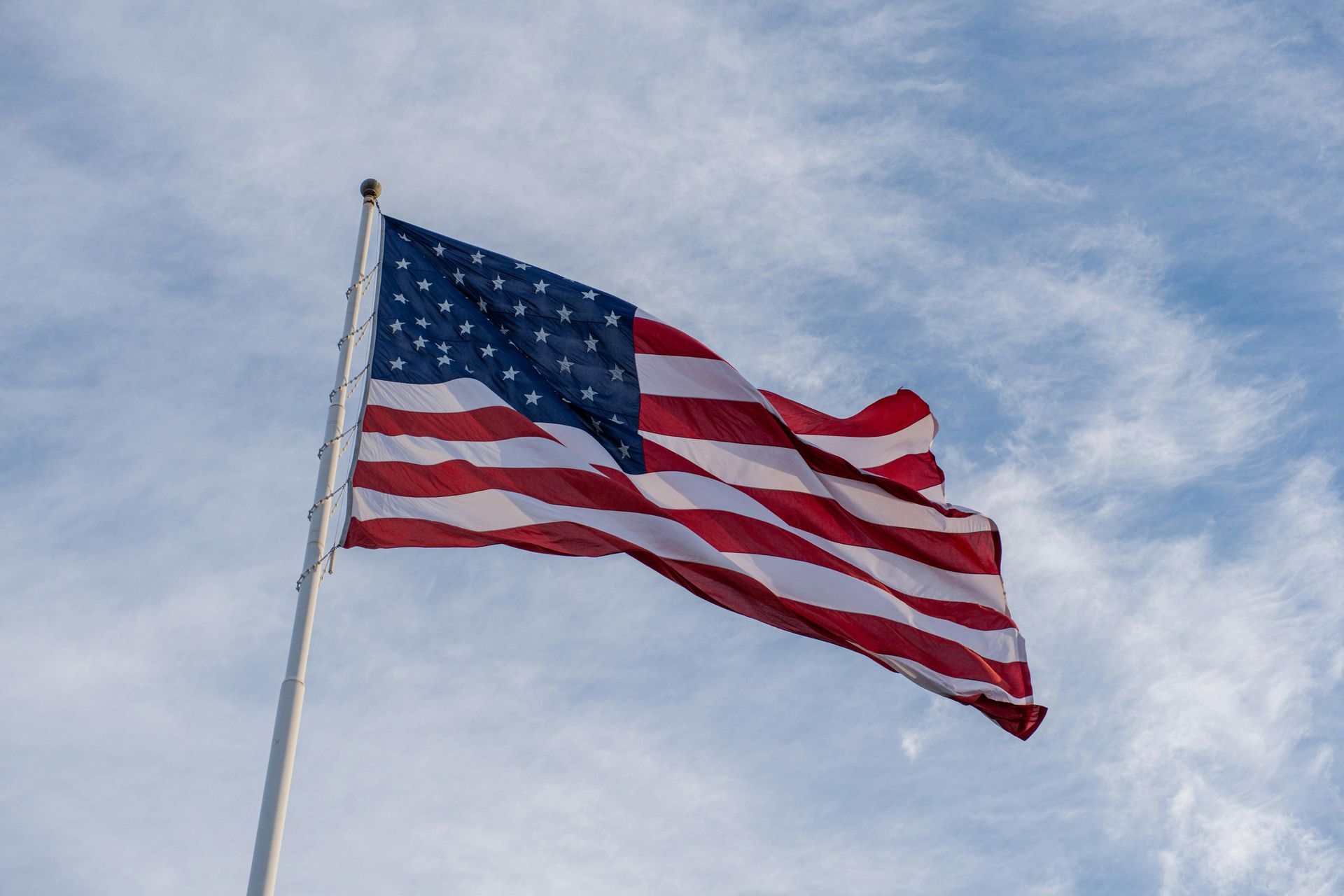
A clear guide to the funeral and burial benefits available to veterans and their families in North Carolina. What the VA provides, how to claim it, and what Into Our Kare offers veteran families.

If environmental impact matters to how you want to be remembered, here is an honest comparison of green burial and cremation. The answer is not as simple as you might think.
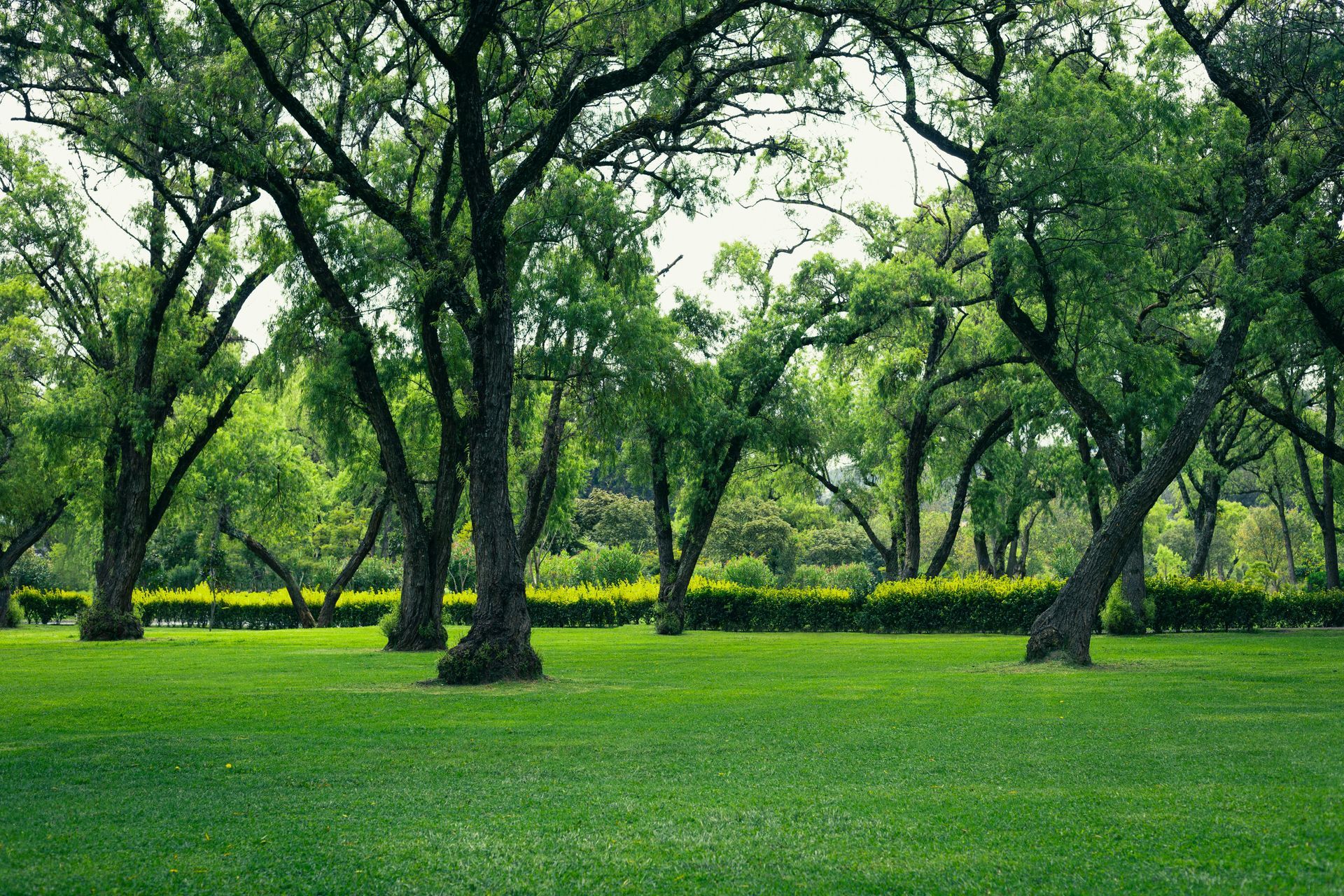
North Carolina families can hold funeral services outdoors at parks, farms, rivers, or any meaningful location. Here is what is involved and how Into Our Kare makes it possible.

Into Our Kare is North Carolina's only licensed mobile funeral home. Here is what that means in practice, how the process works, and why families choose it over a traditional funeral home.

Pre-planning a funeral is one of the most practical things you can do for your family. Here is a straightforward guide to how it works in Gaston County, what it costs, and what to watch out for.
